
1:15 pm
4:15 pm
Ticketed - $40
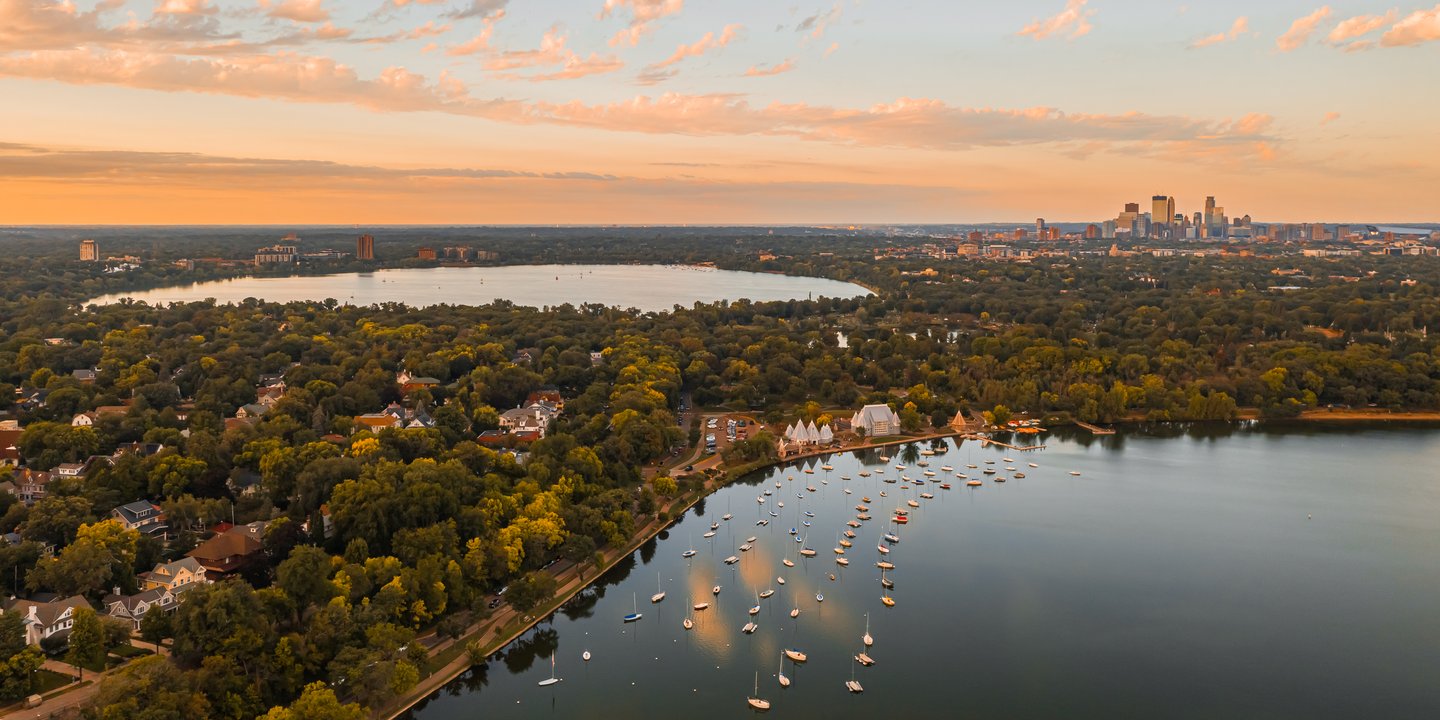
Join local preservationists for a guided orientation tour of your host cities, Minneapolis and Saint Paul. Explore buildings, streets, parks, and neighborhoods as you learn about the forces that shaped them and discover ongoing efforts to preserve significant historic resources. The tour will highlight a diverse array of sites in both cities, including popular Minneapolis attractions such as the Stone Arch Bridge and locations made famous by Mary Tyler Moore, historic landmarks like the Minneapolis Warehouse Historic District and Summit Avenue in Saint Paul, natural treasures such as the Chain of Lakes and Grand Rounds National Scenic Byway, and notable preservation successes including Midtown Global Market in Minneapolis and Saint Paul’s Landmark Center. Along the way, knowledgeable guides will provide rich local context, explain what you’re seeing, and help newcomers gain a deeper understanding of the history and evolution of the Twin Cities landscape.

3:00 pm
4:30 pm
Ticketed - $25
Minneapolis experienced dramatic change at midcentury as urban renewal initiatives and progressive Modern architecture reshaped the downtown core. This tour highlights midcentury construction and planning projects in and around downtown Minneapolis, exploring the history and lasting influence of the city’s Modern Era design. From skyways and public spaces to high-rises, participants will see notable Modern buildings, structures, and public realm designs, with a focus on sites recognized for their historical significance or their impact on the city’s built identity. The tour will examine the long-term legacies of these projects, including how they have shaped the ways people move, work, and live in Minneapolis today. Attendees will also learn how Modern-era history and historic preservation planning tools are being used to meet contemporary community needs, such as the creation and revitalization of housing and public spaces. By exploring these sites, participants will gain insight into the history, implications, and potential of Modern-era resources in their own communities.
8:00 am
4:00 pm
Ticketed - $85
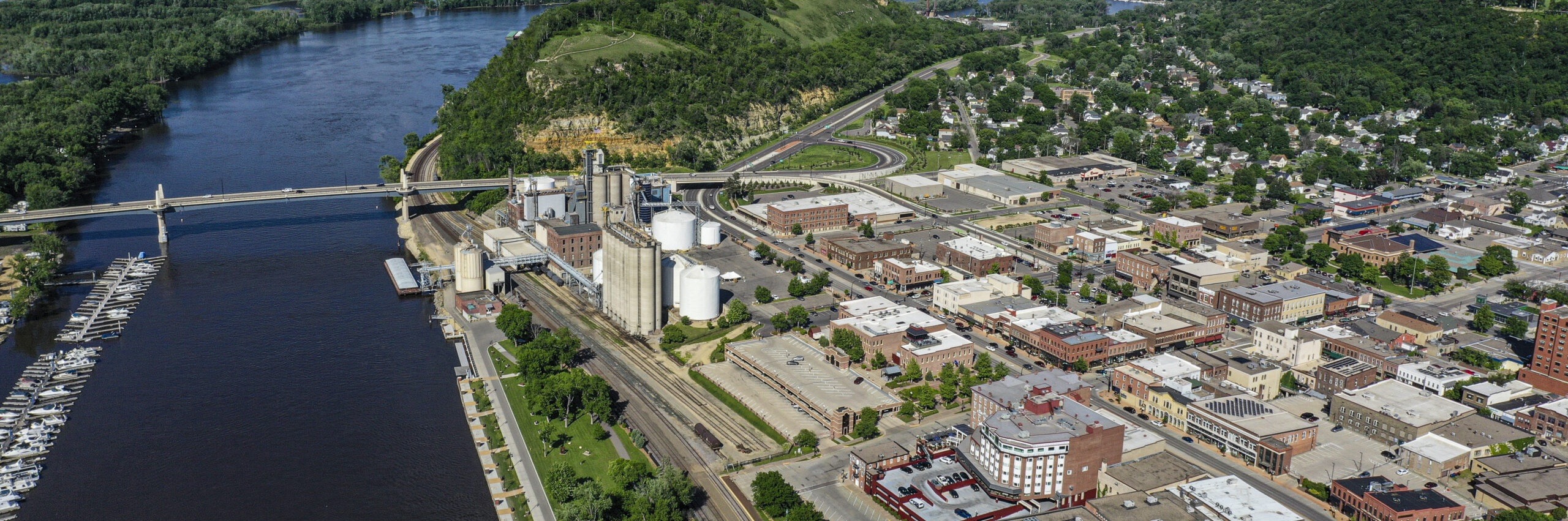
Often associated with stoneware from local pottery companies and durable footwear from the Red Wing Shoe Company, Red Wing is a scenic Mississippi River town renowned for preserving buildings and archaeological sites that reflect its origins as a wheat-driven boomtown, industrial center, and tourist destination.The tour will stop at Ȟe Mni Caŋ (Barn Bluff), Red Wing’s most famous landmark, highlighting its cultural significance to both Native Americans and Euro-Americans; the Ȟe Mni Caŋ Entrance Plaza was recently designed and constructed in collaboration with the Prairie Island Indian Community. Nearby, the G.A. Carlson Lime Kiln interprets the city’s limestone industry and its impact on the local landscape.Red Wing’s thriving central business district, with its parks and City Beautiful–era governmental buildings, demonstrates a variety of preservation strategies, including tax incentives, bond issues, public/private partnerships, donations, and private investment. The tour will also visit the Anderson Center at Tower View, the former estate of Dr. Alexander Pierce Anderson, internationally known for developing Quaker Puffed Wheat and Quaker Puffed Rice. Built between 1915 and 1921, Tower View now supports artists and scholars with rental space and a year-round calendar of programs.

8:30 am
12:30 pm
Ticketed - $45
Explore the deep cultural, architectural, and spiritual landscapes of Saint Paul on a journey from the bluffs of West Summit Avenue to the sacred grounds of Wicahapi. Beginning at Shadow Falls Park, this tour travels east along one of the nation’s most celebrated historic corridors, weaving together stories of preservation, planning, and place-making.
Along Summit Avenue, we’ll examine the evolution of the West Summit and Hill Historic Preservation Districts, stopping to consider the early 20th‑century H.W.S. Cleveland vision for the avenue and the era of “zoning before zoning” that shaped residential and institutional uses. Discussions will highlight historic garages, adaptive reuse, lot splits, new construction, and the modern legalization of ADUs—revealing how old and new coexist in a living historic district.
In the second half of the tour, we shift from architectural heritage to the deeper Indigenous histories embedded in the landscape. At the National Register listed Wicahapi, we’ll explore the burial mounds and parklands that speak to Dakota history. From there, we visit the Wakan Tipi Center and the Bruce Vento Nature Sanctuary and discuss Wakan Tipi's ongoing reclamation and restoration efforts, and the vision for daylighting the buried creek that once flowed through the area.
The tour concludes with a return to Minneapolis, carrying forward a richer understanding of how built heritage and Indigenous sacred places together shape the cultural fabric of Saint Paul.

9:30 am
12:30 pm
Ticketed - $35
Minneapolis consistently ranks as one of the best cities in the U.S. for biking. Join us as we explore the city’s diverse bike infrastructure on a 5-mile ride covering downtown Minneapolis and the Mississippi River. Learn about preservation, rehabilitation, and development efforts along the riverfront, on Nicollet Island, and within the Saint Anthony Falls Historic District. This urban bike tour will traverse mostly level terrain and include biking on some city streets.

12:30 pm
4:30 pm
Ticketed - $45
When the history of African Americans is omitted or minimized, the true record of events is distorted, leaving vital voices unheard. This tour highlights important events and narratives from before the founding of Minneapolis to the present day. Participants will make three stops and view additional sites from the bus.The first stop is the Fort Snelling Visitor Center, where you will learn about enslaved African descendants—including Dred and Harriet Scott—and the contributions of African American soldiers during the Civil War. The second stop is the Coliseum Building, a historic department store and dance hall revitalized through historic tax credits with a Black-led design team. The third stop is the Sabathani Community Center, formerly Bryant Junior High School, home to a living history museum.Along the route, participants will also see the city’s only all-Black fire station, the iconic house where Purple Rain was filmed, the current home of the city’s oldest AME congregation, residences of community leaders such as Harry Davis, Sr. and Lena Olive Smith, the office of Minnesota’s longest-running Black newspaper—the Minnesota Spokesman-Recorder—and George Floyd Square.

12:30 pm
4:30 pm
Ticketed - $80
Experience nature and history by water where the Minnesota River joins the Mississippi in the heart of the Twin Cities. No prior canoeing experience is needed with the 10-person canoes steered by expert guides and all participants paddling together after a brief lesson. We will explore the historic confluence known in the Dakota language as Bdote, within and near the Fort Snelling and Mendota Historic Districts, and below Oheyawahe/Pilot Knob. We will discuss local archaeological sites spanning more than 10,000 years of history, and changes to the rivers since establishment of Fort Snelling in the 1820s.
1:15 pm
4:15 pm
Ticketed - $40
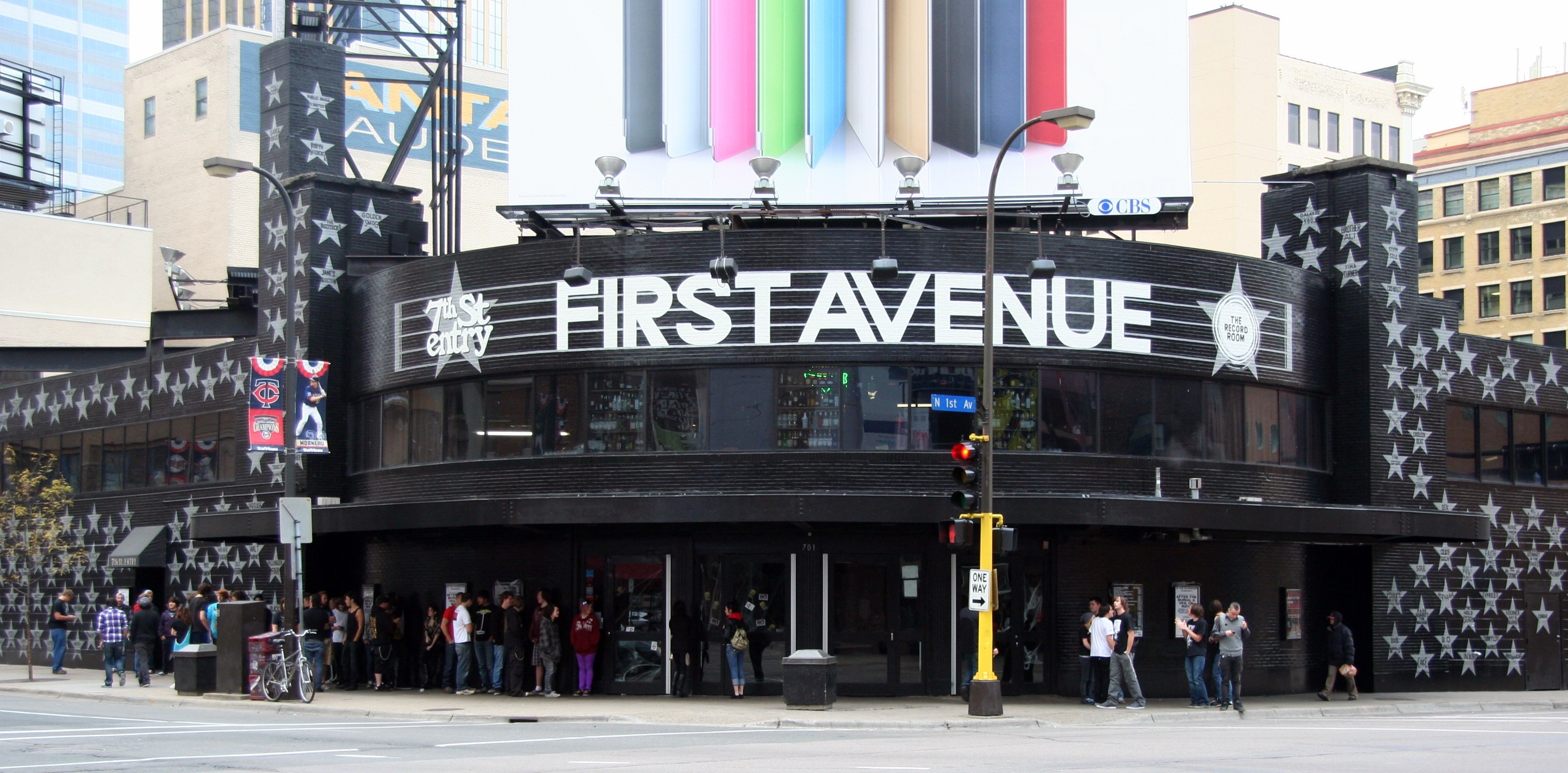
Minneapolis is renowned for its diverse and vibrant music scene—from Prince and Jimmy Jam & Terry Lewis’s creation of the “Minneapolis Sound” to Bob Dylan and the Cedar-Riverside folk scene, and the high-energy punk rock of Hüsker Dü and The Replacements. Join local music historian Kristen Zschomler, City of Minneapolis Planning Manager Jason Wittenberg, and local historian Chris Steller as they guide you through the neighborhoods, schools, and clubs where these genres came to life. Learn about the city’s efforts to develop a historic context for its music scene and discover preservation initiatives aimed at protecting the places that helped make Minneapolis so C.O.O.L.
10:30 am
11:45 am
Ticketed - $25
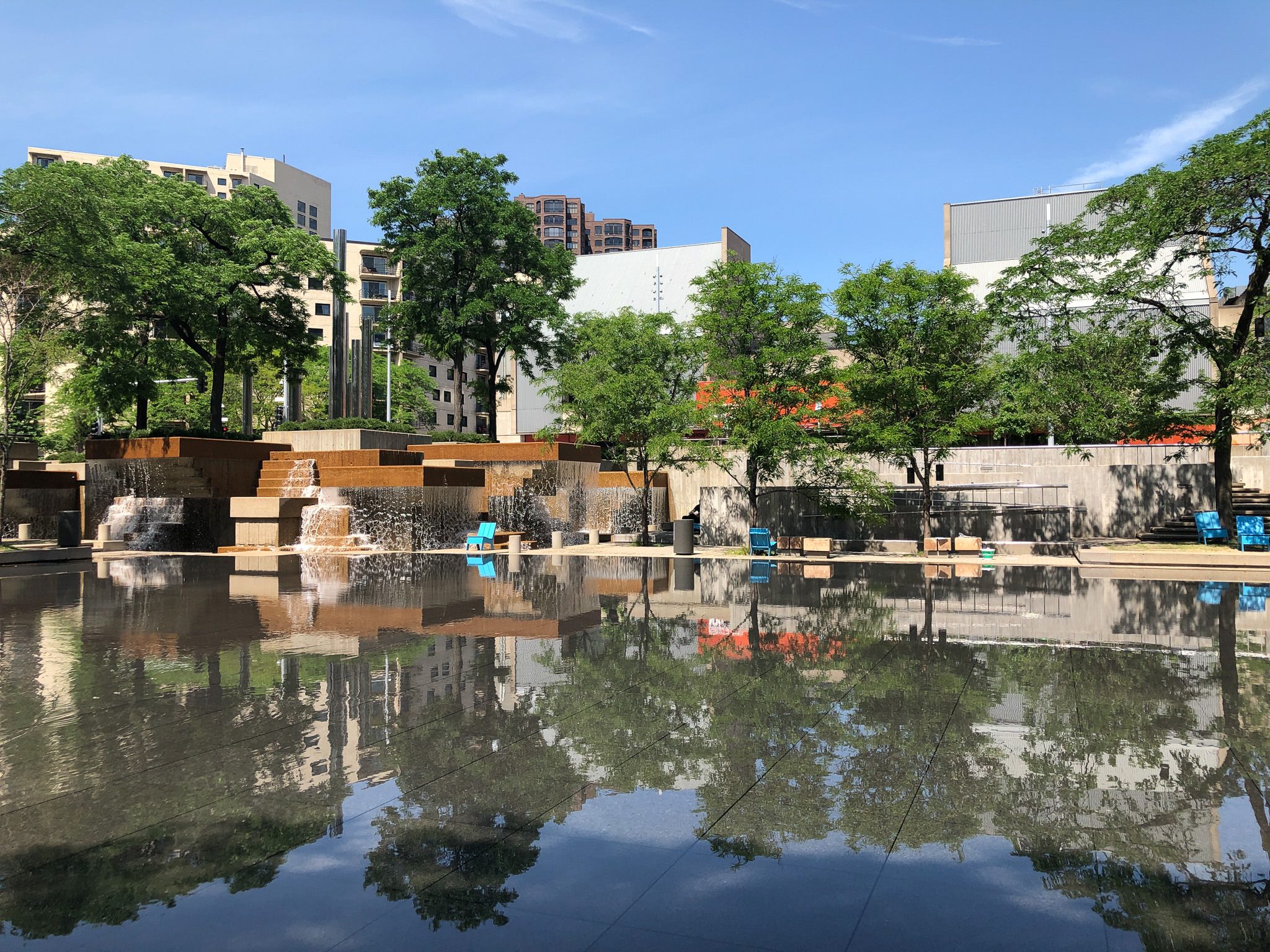
Explore three enduring public landscapes—Nicollet Mall, Peavey Plaza, and Loring Greenway—originally designed in the 1960s–1970s and reimagined through evolving public-private partnerships. This tour highlights diverse strategies for reactivating these spaces while balancing the original design intent with contemporary needs for accessibility, sustainability, and public engagement. Through these case studies, participants will take part in facilitated discussions to spark ideas and inform their own HPC initiatives, offering a valuable opportunity for practical brainstorming and peer exchange.

1:15 pm
4:15 pm
Ticketed - $35
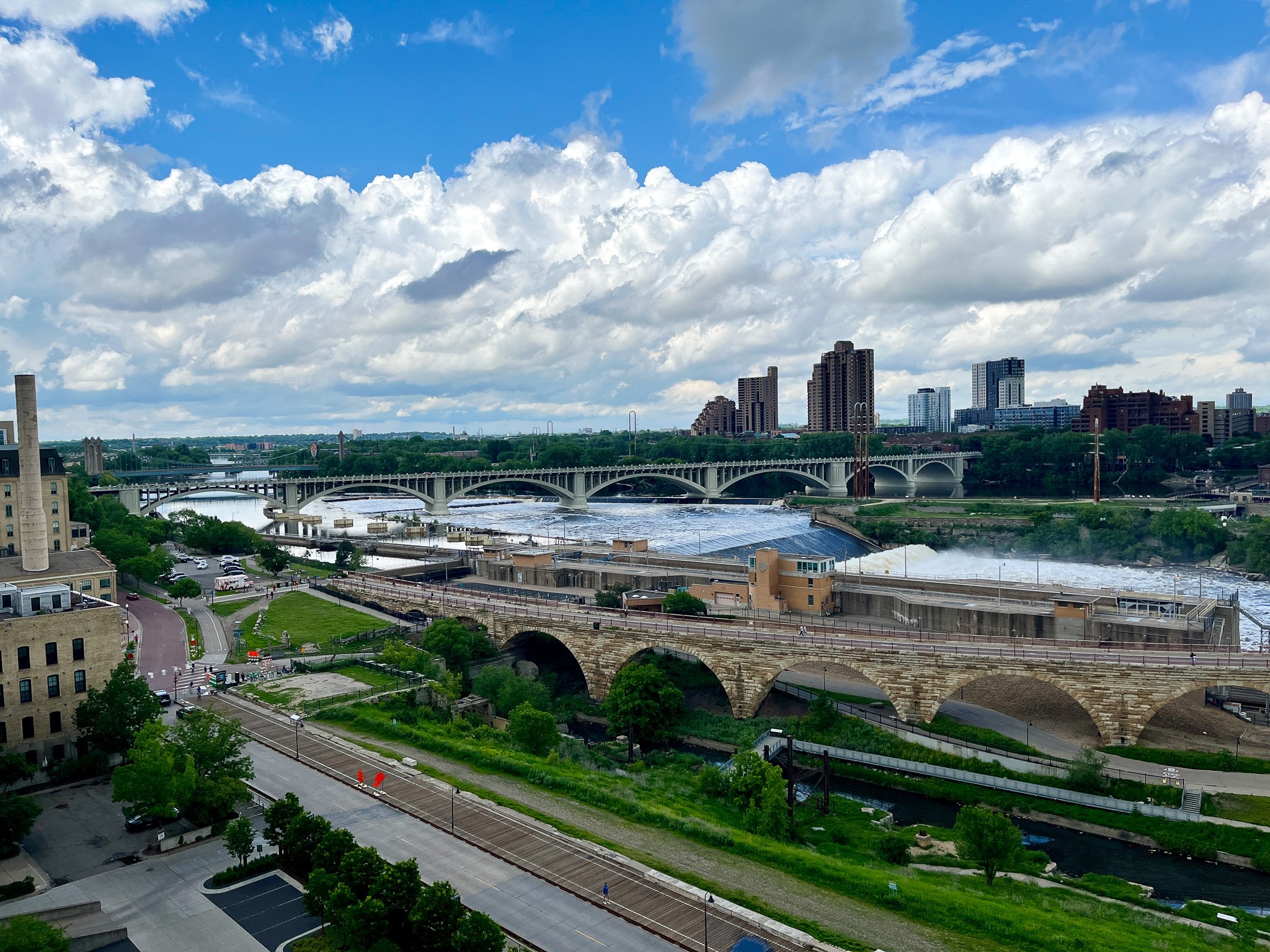
The Minneapolis Warehouse Historic District is the largest commercial area in Minnesota listed on the National Register of Historic Places and is also recognized by the City of Minneapolis as a local historic district. Spanning 30 blocks, the district was once the center of warehouse and wholesale activity in the late 19th and early 20th centuries, when Minneapolis emerged as a major shipping and distribution hub in the Upper Midwest.The district is also notable for its architecture. Many buildings were designed by prominent local architects and represent a range of architectural styles from the period, with most structures remaining largely intact.In recent decades, the area has transformed from a quiet industrial neighborhood into one of the city’s most vibrant districts. This tour will explore the district’s history and architecture, highlight examples of how historic tax credits helped rehabilitate and preserve key buildings, and discuss ongoing challenges in maintaining the district’s historic character. Participants will also visit several tax credit projects to see firsthand how interior spaces have been adapted and improved. These stops will illustrate how Minneapolis is using historic preservation to help revitalize downtown in the wake of the pandemic.
1:15 pm
4:15 pm
Ticketed - $40
Full Circle Indigenous Planning + Design is a 100% Native American–owned, community-focused design firm. They collaborate with communities and organizations to create culturally appropriate, operationally efficient, and fiscally responsible design solutions. This tour will visit three urban sites in and near the downtown core.The first stop is the Minneapolis American Indian Center, which recently renovated and expanded its aging facility to provide a variety of spaces and services at the heart of the Urban American Indian Cultural Corridor. Next, Red Lake Nation College adapted existing buildings to expand its Minneapolis campus, featuring culturally focused learning spaces and an upper-level roof deck. The tour concludes at the new offices of Owámniyomni Okhódayapi, a Dakota-led nonprofit working to transform five acres of riverfront land into a space for restoration, education, healing, and connection.

8:00 am
10:00 am
Ticketed - $35
Located in the Seward West neighborhood, the houses of the Milwaukee Avenue Historic District were built between 1884 and 1890 for Northern European immigrant families who worked in the nearby Milwaukee Railroad yards and industrial shops. By the end of World War II, many of the homes had deteriorated, and a Minneapolis urban renewal plan in the 1970s called for demolishing approximately 70% of the neighborhood’s houses, including all of those on Milwaukee Avenue.Neighborhood opposition successfully halted the plan, leading instead to the rehabilitation of 34 of the original 46 houses and the transformation of the narrow street into a landscaped, pedestrian- and bike-friendly walkway. Today, Milwaukee Avenue’s distinctive architecture and intimate, human-scaled design create a character that stands in striking contrast to the surrounding neighborhood.

8:30 am
11:30 am
Ticketed - $40
Learn about the historic African-American Rondo Community, anti-displacement work being led by Rondo Community Land Trust and members of the Rondo Roundtable, and efforts to establish an African-American Cultural Enterprise District anchored by a land bridge over Interstate 94. Rondo was the beating heart of the Twin Cities African-American community and home to thriving businesses, religious organizations, and social clubs, however, the economic and social diversity of the area was upended when the construction of Interstate 94 began in 1956. Approximately 600 homes and 300 businesses were razed to build the interstate, leaving the community torn in half and forever damaged by the destruction of the cultural and economic center of the African-American Community in Saint Paul. Following the construction of I-94, the Rondo community has experienced a 48% decline in home ownership, a 61% decline in population, and an estimated 157 million dollars of home equity lost from demolished homes in the I-94 corridor, and community is now experiencing a period of gentrification and on-going displacement. In response to these challenges stemming from historic planning decisions, community organizations including the Rondo Community Land Trust and Reconnect Rondo were formed to help preserve affordability, mitigate ongoing displacement, and create an African American Cultural Enterprise District anchored by a land bridge over the interstate that was built through the neighborhood Their efforts are helping challenge the status-quo and driving innovative city planning and community development. An architectural history survey of a potential Rondo Historic District is also underway.
10:15 am
11:30 am
Ticketed - $35
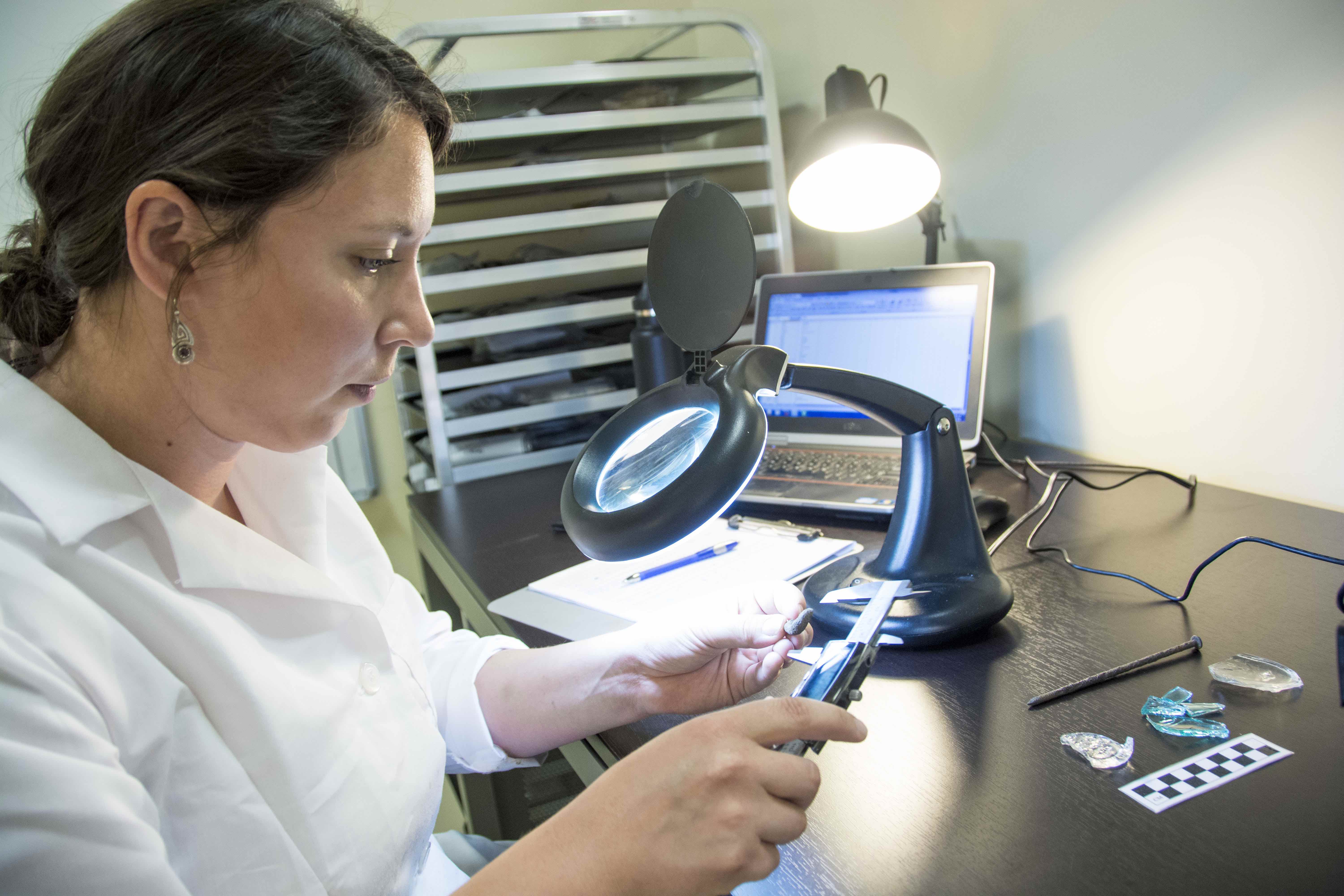
Archaeology is a vital, yet often overlooked, component of historic preservation, particularly at the local level. This session takes attendees behind the scenes of a professional archaeology lab to see how artifacts move from field collection to lab analysis and how that work informs preservation decisions. Participants will tour 106 Group’s archaeology lab in Saint Paul, where presenters will share case studies demonstrating how archaeology strengthens heritage preservation and regulatory compliance, deepens community narratives, and expands opportunities for public engagement. Attendees will also gain practical strategies for incorporating archaeology into their own local preservation practice.
10:15 am
11:45 am
Ticketed - $25
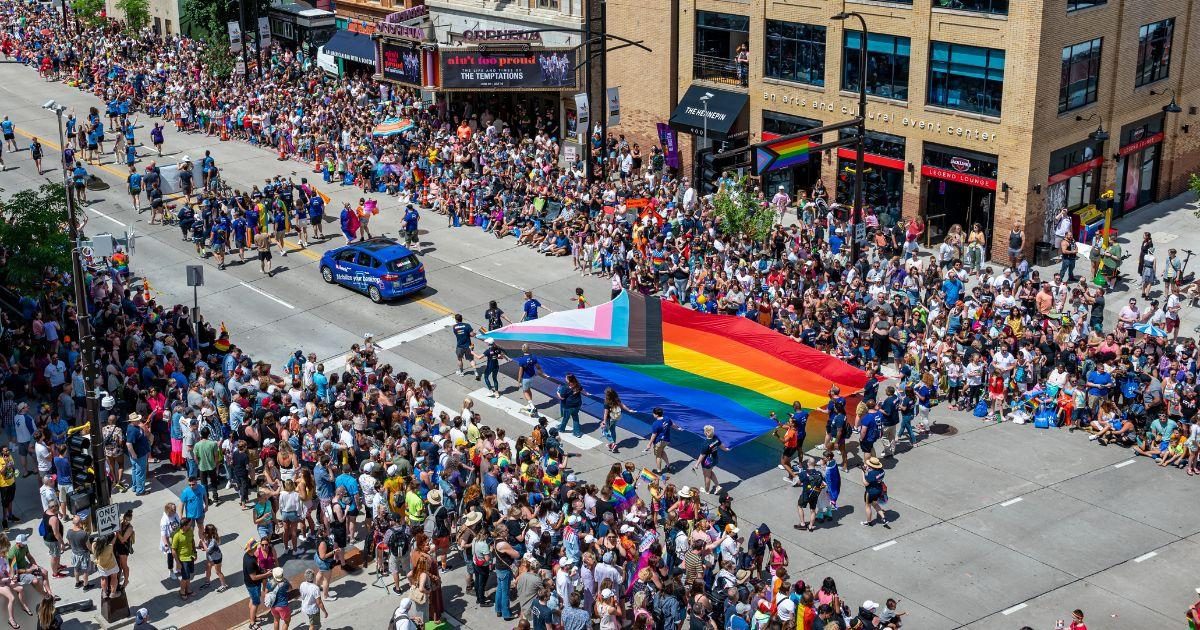
Minneapolis has a deep LGBTQ+ history, with impacts and influence extending far beyond the city. This in-person walking tour will stop at sites throughout the Gateway District and downtown Minneapolis. The area is deeply entangled with LGBTQ+ people’s stories and place in the world. While some locations still exist, many don't: from cafes, bars, and hotels, to bathhouses and parks. Discover how queer identity was shaped in these spaces and in the face of industry, discrimination, sex, urban renewal, the gay rights movement, and AIDS. Learn about how queer people from Minneapolis have made an impact across the country.

1:15 pm
4:15 pm
Ticketed - $45
In 1907, William Purcell and George Feick, Jr., a structural engineer, formed an architectural firm in Minneapolis. George Elmslie joined in 1909 after 20 years as a draftsman in Louis Sullivan’s Chicago office. Feick left in 1913, and the firm became Purcell & Elmslie, which operated until 1921. Over 300 buildings were constructed by the firm across the country, with a strong concentration in Minneapolis. Both Purcell and Elmslie were contemporaries of Frank Lloyd Wright, with Elmslie having worked alongside Wright as a draftsman in Sullivan’s office, and Purcell also briefly serving as a draftsman for Sullivan.The tour will visit thwo houses designed by Purcell & Elmslie, all located within blocks of one another near Lake of the Isles.

8:30 am
11:30 am
Ticketed - $40
Originally envisioned in 1883 by landscape architect H.W.S. Cleveland, the Minneapolis Grand Rounds is the nation’s most complete interconnected urban park system. Spanning more than 50 miles and encompassing the shorelines of seven lakes, three creeks, and the Mississippi River, the Grand Rounds has evolved over the past 140 years into a defining feature of Minneapolis’s identity.This tour will highlight several distinct elements of the Grand Rounds—including lakes, creeks, and waterfalls—and cover topics such as Cleveland’s original vision, Theodore Wirth’s early-1900s implementation, the major mid-20th-century redesign, and present-day planning efforts that balance historic preservation with environmental needs. Participants will learn from today’s planners, enjoy views of the Grand Rounds from the comfort of a tour bus, and have the opportunity to stretch their legs in the park system.


